Contact Us

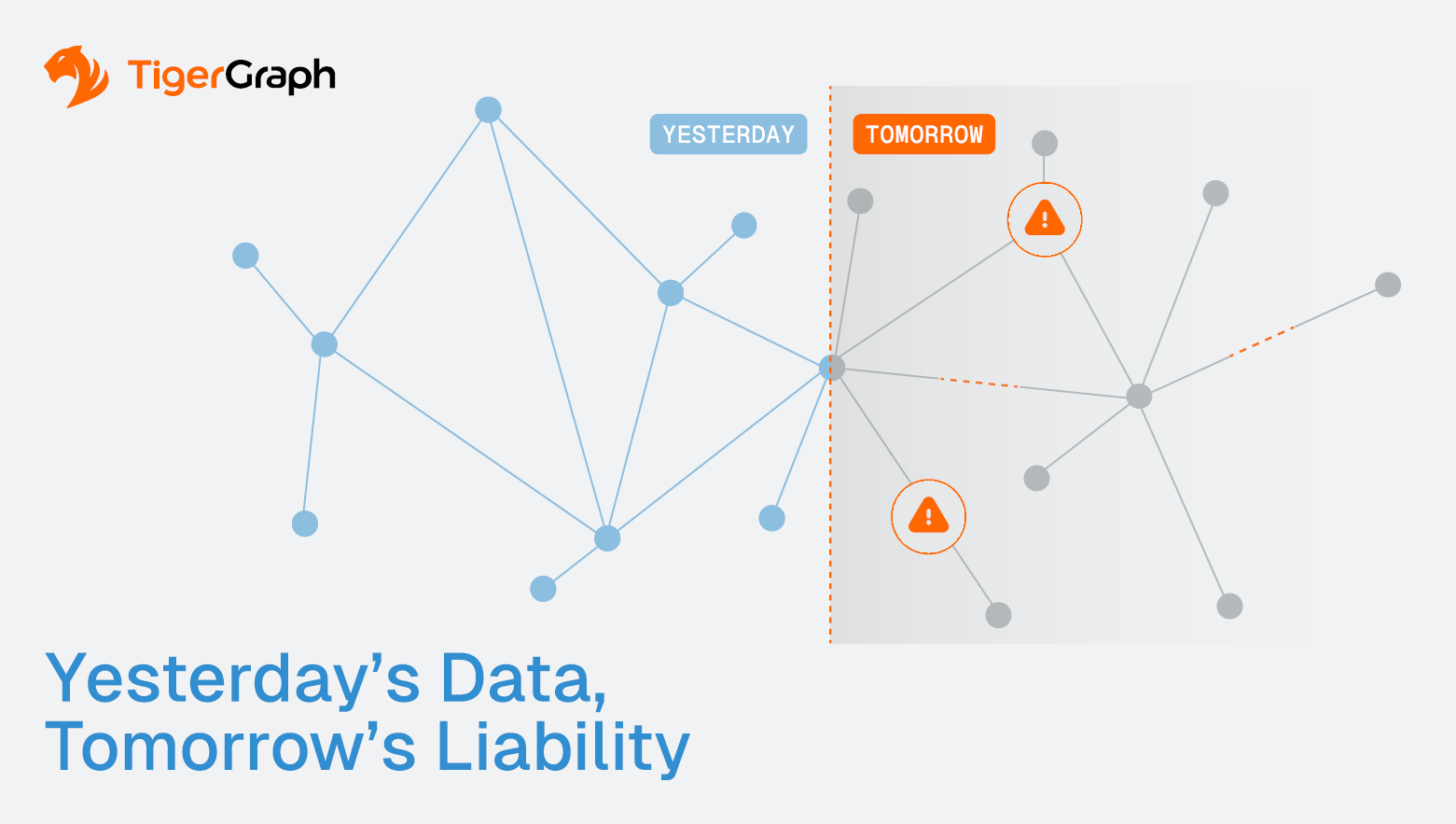
When Yesterday’s Data Becomes Tomorrow’s Liability – Rethinking Personalization with Graph AI

Retail has never moved faster—and neither have your customers. What someone searched for last week, clicked on yesterday, or added to their cart this morning may already be irrelevant. Preferences shift by the hour, not the season. Shoppers move fluidly between channels, devices, and mindsets, and their expectations move just as quickly.

Yet many personalization engines are stuck in a slower world. They still rely on static profiles, batch-processed data, and rigid rules. These systems were built for consistency, not agility—and in today’s environment, that’s a problem.

The result? Stale personalization. And it’s not just ineffective—it can feel intrusive. A product push that once made sense might now come across as tone-deaf. A recommendation that doesn’t reflect current interest isn’t just overlooked—it becomes a signal that the brand isn’t really listening. Instead of feeling seen, the customer feels misread.

Personalization without context becomes a liability. The longer brands rely on who a customer was, the more they miss who that customer is becoming.

That’s why retailers need a new approach that doesn’t just analyze past transactions but understands evolving behavior in real time. One that’s built to follow intent across moments, channels, and interactions—not just after the fact, but as it happens.

That approach starts with graph.

Graph AI: Capturing the Pulse of Changing Intent

To keep up with customers in motion, retailers need more than a better rules engine. They need graph AI—a fusion of graph-native data models and AI techniques that continuously reason over relationships, behaviors, and evolving context in real time. That’s what graph AI delivers.

Unlike traditional systems that treat data as isolated events, graph databases model the relationships between people, products, behaviors, and time. Graph AI builds on this foundation by using these relationships to power AI-driven inference and adaptation. This enables a dynamic understanding of behavior, intent, and context as they evolve, moment to moment, across channels, so brands can predict and act on customers’ current needs and preferences.

This relationship-first structure enables retailers to:

With TigerGraph, these capabilities become real-time and scalable. Its graph-native architecture supports parallel traversal, shared-variable logic, in-graph computation, and streaming data ingestion. This means it handles large volumes of behavioral data quickly, connects the dots across relationships, and enables AI models to respond to new signals immediately, without the delays of batch processing or external pipelines.

This allows retailers to stop treating interest as static and start responding to it as it changes. Whether it’s surfacing a new product category based on browsing patterns, holding back on a repeated offer that’s gone ignored, or adjusting tone based on device and time of day, TigerGraph empowers retailers to personalize based on live, contextual reasoning—rather than lagging indicators or rigid rules.

The Risk of Static Personalization

When personalization doesn’t evolve with the customer, it becomes more than a missed opportunity—it becomes a brand liability. Customers don’t just notice when recommendations feel off—they remember. 

A product push that was relevant last week might now feel intrusive. A discount that lands too late doesn’t feel like a reward—it creates aggravation for a consumer who now feels they overpaid. Even something as subtle as suggesting the wrong product category can generate ill will. We all receive enough spam mail as it is, without irrelevant offers sent by brands that should know better. Even small mismatches—like a missed discount or irrelevant product—can turn an engaged shopper into a lost opportunity.

These misfires all stem from a common flaw: treating personalization as a static task instead of a dynamic process. Traditional systems often rely on outdated profiles or predefined rules that don’t account for how behaviors and preferences shift in real time.

Graph insight changes that because graph technology models not just data points but the relationships between them, it captures context as it evolves. And with TigerGraph, this becomes a living, operational capability. 

Brands can continuously adapt how and when they engage with each customer. 

This isn’t just about speed—it’s about situational awareness. The real power of graph is in its ability to enable contextual reasoning: the capacity to ask and answer not just “What did this customer do?” but “Why did they do it—and what does that tell us about what they need next?”

Adapting to the Future with Graph AI

Customer intent is a moving target. In fast-changing markets, which describe most markets, personalization strategies that rely on lagging indicators or static assumptions fall behind, no matter how much data they have behind them.

Graph AI offers a different approach because it models what’s happening right now, across touchpoints and time. It recognizes patterns as they emerge and helps brands engage with more insight, agility, and relevance.

And with TigerGraph, this approach becomes scalable. The platform’s graph-native engine processes live behavioral signals, traverses relationships in real time, and updates recommendations based on the customer’s current state, not their last known activity. Personalization becomes a living system that sees, adjusts, and improves with every click, search, or moment of hesitation.

This results in messaging that actually resonates because it meets the customer in their moment, not a moment too late. Yesterday’s data can’t drive tomorrow’s experience, but with graph, tomorrow’s intent is always within reach. 

Reach out today to explore how TigerGraph can help your brand personalize more precisely—and keep pace with what customers want next, not just what they wanted last time.

And start building real-time, context-aware personalization with TigerGraph’s fully managed cloud. Try it free at tgcloud.io.

How Graph Technology Intelligence Reveals What Customers Really Want 

Your customer just placed an order, but do you know why they bought? Were they shopping for themselves, a household member, or someone else entirely? Is this a one-off transaction or part of a bigger life event?

Traditional CRM systems can tell you what was purchased and when, but they can’t explain why, for whom, or what comes next. That’s because they’re built around flat records, not relationships.

This is where graph technology comes in.

Graph databases model not just data points, but the relationships between them. They create a web of connections across people, purchases, devices, locations, and behavioral signals. 

This connected view reveals context that flat systems miss. And when applied to retail, graph technology enables more nuanced insight into what’s happening in a customer’s world, and how these events should shape your response.

TigerGraph takes this a step further. It offers a real-time, scalable graph platform designed for complex, dynamic customer data. With TigerGraph, retailers can build adaptive Customer 360 systems that surface relationships, spot shifts in behavior, and respond with timely, relevant engagement.

Going Beyond “Customers Like You”

Most personalization today still relies on surface-level recommendation logic: “People who bought X also bought Y.” It’s a shallow model that treats individuals like datapoints in a crowd.

But people don’t want to be grouped by purchase history alone. They want to be understood.

Graph technology enables retailers to move past rote pattern-matching and toward relational understanding. It connects what someone bought with other available insights, like who they bought it for, what triggered the purchase, and how that behavior fits into broader lifestyle changes. 

TigerGraph makes this shift real-time and scalable, enabling teams to embed that insight directly into personalization engines and decision workflows. It offers advanced multi-hop traversal, which helps teams model influence chains, shared purchasing behaviors, and household dynamics. This results in deeper segmentation so retailers can create more relevant offers, and personalization that actually feels personal.

Graph technology is all about connectional reasoning, allowing retailers to move from transactions to understanding. It is an important distinction from flat profiles, which typically fall short.

Why Flat Profiles Fall Short

Retailers know they need personalization, but if your customer profiles are built on siloed data or simplistic segmentation, you’re behind and sending out signals that are misfiring.

Consider these real-world complexities:

While any graph database can model these relationships in theory, TigerGraph enables real-time traversal at scale. This allows you to surface these distinctions on the fly and adjust customer journeys accordingly, while also addressing insight gaps.

These gaps don’t just lead to irrelevant recommendations; they risk eroding customer trust. What is needed is a way to model the richness of human behavior, relationships, and shifting contexts. 

How Graph Adds Context, Empathy, and Foresight

Graph technology creates a fundamentally different lens, one that doesn’t view customers as isolated rows in a database, but as individuals embedded in social, temporal, and behavioral networks.

And with TigerGraph, this power becomes operational. Retailers can:

This adds a layer of empathy to digital personalization. You’re offering what a customer is likely to click while also anticipating what they might need, based on who they are, what’s changed, and what’s likely to come next. The next step is activation.

Turning Relationships into Results

While graph technology gives you the blueprint for connected customer understanding, TigerGraph equips retailers to activate it at scale.

Many graph databases can model relationships. But when you need to track millions of purchases, identities, and interactions across multiple channels, and in real time, you need a platform purpose-built for enterprise speed, volume, and complexity. That’s where TigerGraph stands out.

TigerGraph enables retailers to:

TigerGraph gives you a living, learning customer model that evolves as your customers do and keeps your brand in step with what they really need. It allows retailers to move seamlessly from recommendation to recognition.

From Recommendation to Recognition

The next frontier of retail personalization isn’t just smarter suggestions; it’s genuine customer recognition. That means seeing the full context behind a customer’s choices: their life stage, household dynamics, shifting preferences, and intent before it’s explicit.

Graph technology makes this possible by connecting the dots between customers, behavior, and relationships. But only TigerGraph makes it practical at enterprise scale — delivering real-time insights across billions of interactions, streaming updates, and explainable AI-driven predictions.

If you’re ready to move beyond transactional tactics and into contextual, connected customer experiences, start with graph.

Scale it with TigerGraph and give your customers more than a recommendation. Give them recognition.

Precision Is the New Personalization, and Graph AI Helps Retailers Hit the Mark

Traditional retail personalization strategies have often fallen short. Segment-based campaigns and rules-based engines deliver recommendations that are too broad, too late, or too irrelevant. At best, these experiences feel impersonal; at worst, they feel intrusive or out of touch.

Today’s consumers expect relevance and recognition. They want to be understood across devices and channels in real time, with experiences that reflect their preferences and evolving intent. Brands are expected to keep up as customers browse, compare, switch platforms, and make decisions faster than ever.

And here’s the challenge: intent is fluid, and preferences can shift by the hour. A product searched this morning may be forgotten by afternoon. In this environment, personalization based on static profiles or past behavior alone isn’t just outdated—it can backfire, making customers feel misread instead of understood.

To meet this new standard, retailers must shift from static personalization to precision—responding to live signals, contextual cues, and cross-channel behaviors. That level of agility demands more than data aggregation. It demands a connected understanding of customer behavior—and that’s where graph shines.

Graph AI: Unlocking Real-Time, Contextual Insight

Personalization isn’t just about what a customer did—it’s about understanding why they did it, what they’re likely to do next, and how best to engage them in that exact moment. That’s where graph AI changes the game.

Unlike conventional architectures that silo behavior by channel—web, mobile, email, in-store—graph technology models relationships. It maps how people, products, preferences, and actions interconnect across time and context. The result is a context-rich, behavior-aware model of every customer journey.

However, not all graph technologies are equipped to support real-time retail experiences.

Where general-purpose graph databases may offer modeling flexibility, many fall short when asked to deliver low-latency insights at operational scale. That’s where TigerGraph sets itself apart.

Why TigerGraph Delivers Precision at Scale

TigerGraph is a graph-native, distributed platform purpose-built for performance in data-intensive, real-time environments. Its architecture supports:

With TigerGraph, retailers can unify signals from every customer interaction—across web, mobile apps, in-store visits, and support channels into a single, continuously evolving customer graph. This connected view helps trace intent as it unfolds and identify nuanced behavioral patterns. For example, late-night gift browsing and inventory checks may signal urgent holiday shopping. 

Armed with this context, teams can deliver highly relevant recommendations in real time—adapting offers to the customer’s current device, timing, and behavior, without relying on brittle rule sets or retrain models behind the scenes.

This is already playing out in practice. In a collaboration with Kickdynamic, TigerGraph helps brands personalize email content based on static lists or past behavior and by using live graph data to reflect a customer’s real-time behavior. Product displays can be tailored to factors like location, product availability, and recent interactions, creating a more relevant, timely experience even after the email has been sent.

This integration with TigerGraph helps retailers connect the dots between what customers browse, click, and buy, across channels and over time. Instead of relying on outdated rules or broad customer segments, the system updates as new information comes in. That means the recommendations shoppers see reflect what they’re actually interested in right now, not what they looked at last week.

It’s a shift from canned suggestions to something that feels personal and timely, without being pushy or out of sync.

This isn’t just personalization; it’s contextual precision at scale. Graph AI makes it possible, and TigerGraph operationalizes it.

Beyond Personalization: Achieving Precision

Precision isn’t about offering more content but about delivering the right content on the right channel, at the right moment, and in the right tone. That’s the difference between friction and flow and between a sale and a lost opportunity.

Where many personalization tools respond with more data and rules, graph AI takes a more elegant approach. It connects the dots, learns relationships and behavioral norms, and allows retailers to personalize with clarity and nuance, not guesswork.

With graph-powered insight, retailers can:

This isn’t just reactive optimization. It’s a shift to proactive experience design, where personalization feels seamless, timely, and trusted. It strengthens loyalty, improves conversion, and respects the customer’s attention span.

Embracing the Future of Retail with Graph AI

In modern retail, milliseconds matter. A brand’s ability to respond in context isn’t a competitive edge—it’s a survival trait. Relying on yesterday’s data, rigid rules, or disconnected systems will slow you down and cause you to miss the moment entirely.

Graph AI offers a better way. It gives retailers the ability to reason across behavior, relationships, and context as they unfold, supporting decisions that are timely, accurate, and aligned with customer intent.

TigerGraph turns that reasoning into action. With a scalable, high-performance graph engine built for operational workloads, it enables real-time personalization that evolves with every click, channel, and change. This is more than personalization—it’s connected intelligence that moves with your customers.

Graph AI helps retailers hit the mark—not by guessing, but by understanding, and TigerGraph helps you do it before your competitors even see it coming. Reach out today to learn how TigerGraph can help you take the lead—while others are still catching up.